Two Days National Level Workshop and Hands on Training on Bioinformatics and Network Pharmacology
About the Programme
A Two-Days National Level Workshop on "Bioinformatics and Network Pharmacology" was successfully conducted by the Department of PG Studies in Dravyaguna of our Institution on 27th & 28th February 2026. The workshop aimed to provide comprehensive exposure to emerging interdisciplinary domains integrating Ayurveda with bioinformatics and network pharmacology. There were a total of 27 delegates from different parts of the country.
Inaugural Ceremony
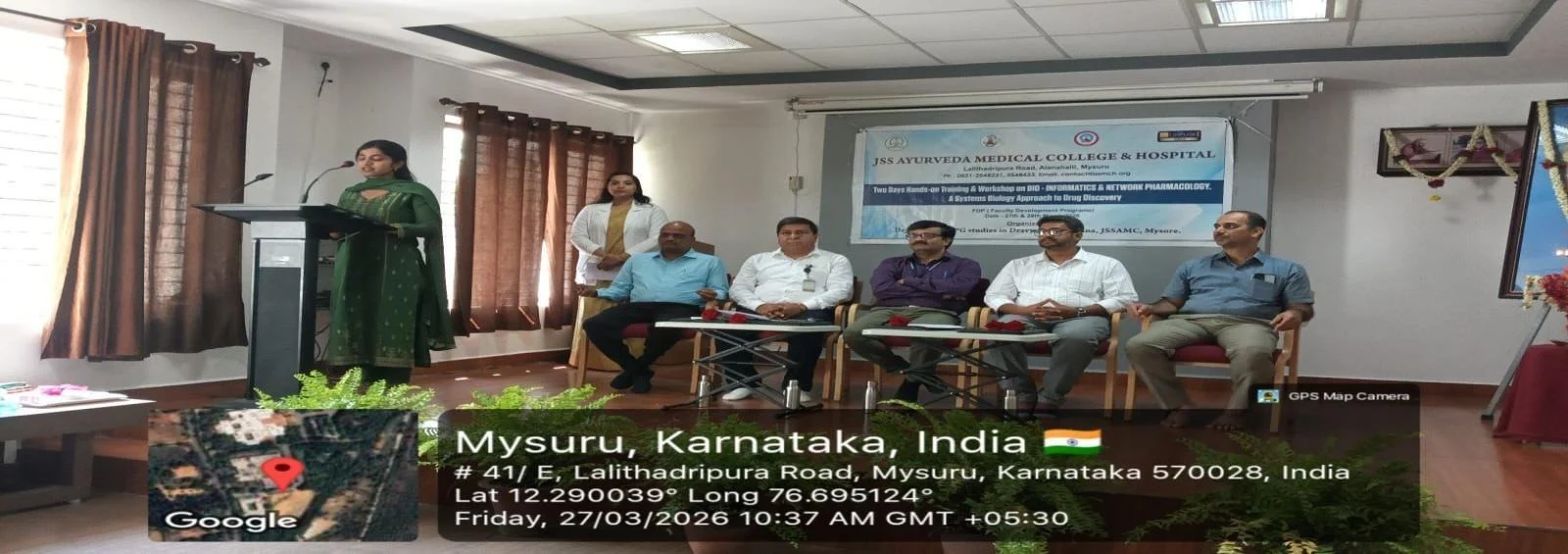
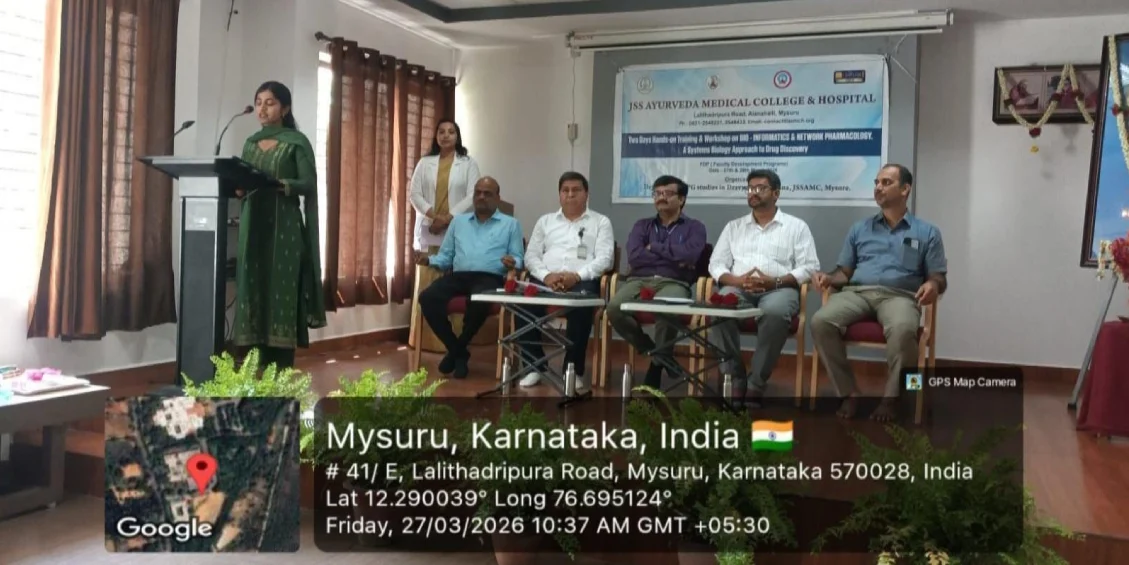
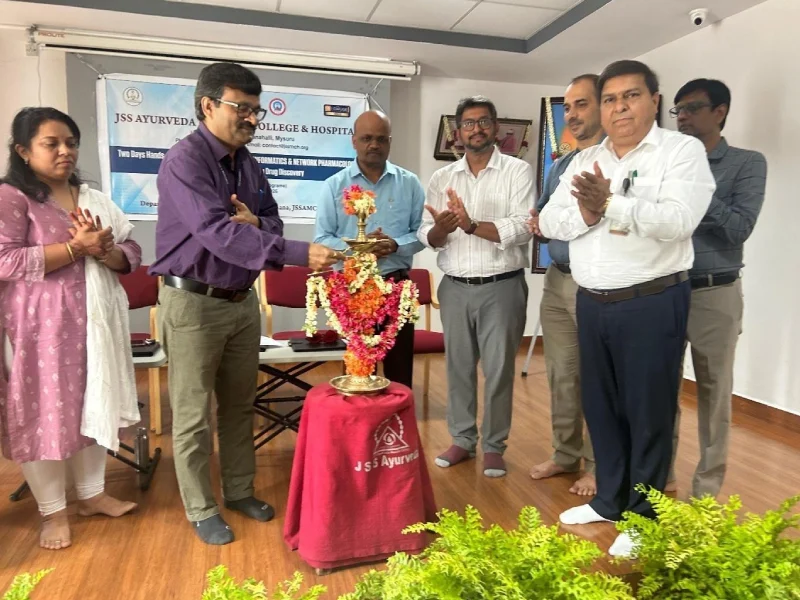
The workshop commenced with a formal inaugural function marked by the traditional lighting of the lamp. The ceremony was graced by the Chief Guest, Dr. B. M. Gurupadayya, Professor, Department of Pharmaceutical Chemistry, JSS College of Pharmacy, Mysuru, under the umbrella of JSS AHER.
The other dignitaries present included:
- Dr. Sarveshwar Kar, Principal, JSSAMC
- Dr. Shivaprasad Hudeda, Vice Principal, JSSAMC
- Dr. Farhan Zameer, Resource Person of the workshop
- Dr. Satish Pai, Professor and Head, Dept. of PG Studies in Dravyaguna, JSSAMC
In his inaugural address, the Chief Guest emphasized the importance of integrating computational approaches with traditional Ayurvedic knowledge for scientific validation and global relevance.
Day 1: 27-02-2026
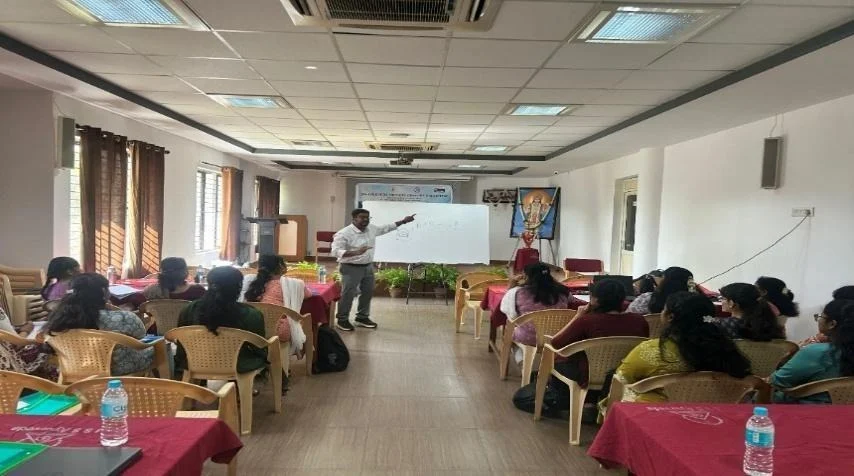
The first day focused on the foundational and applied aspects of Ayur-Bioinformatics, structured through a series of academic and practical sessions. The session on Introduction to Ayur-Bioinformatics: Design Thinking (Aim & Scope in Ayurveda) outlined the conceptual framework and relevance of bioinformatics in Ayurvedic research.
Furthermore, the Resource Person, Dr. Farhan Zameer, covered key terminologies and basic principles necessary for understanding computational biology in Ayurveda. The sessions on Pipelines for Ayur-Drug Discovery using Cheminformatics detailed the systematic approach for drug discovery, including compound identification, screening, and validation. Subsequent sessions on Standardization and Optimization of Phytoligands / Phytobioactives focused on refining herbal compounds for better efficacy and reproducibility, while the sessions on Standardization and Optimization of Targets / Biotargets dealt with the identification and validation of biological targets for Ayurvedic formulations.
The sessions combined theoretical insights with practical orientation, providing participants with a structured understanding of drug discovery processes.
Day 2: 28-02-2026
The second day emphasized advanced applications and hands-on exposure in Network Pharmacology and Molecular Interactions. The session on Ayur-Pharmacokinetics and Dynamics introduced the behavior of Ayurvedic drugs within biological systems.
The session on Network Pharmacology – Proteins covered protein-level interactions and their relevance in multi-target therapeutics. Network Pharmacology – Genes and miRNAs focused on genetic and molecular regulatory mechanisms influenced by phytoconstituents. The session on Molecular Docking (Phytoligand–Target Interaction) provided practical exposure to computational docking techniques to study binding affinities. Participants also clarified concepts and engaged in academic discussion with experts.
Valedictory Ceremony
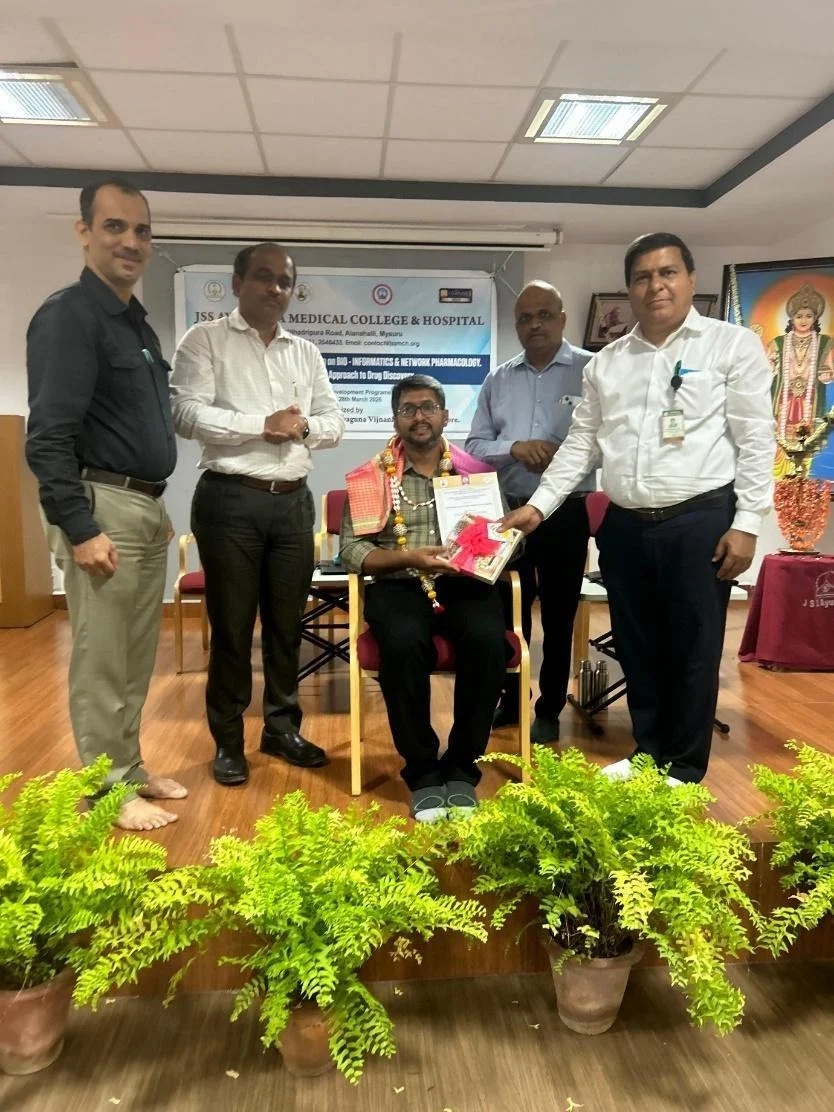
The workshop concluded with a valedictory session graced by the Chief Guest, Sri R. Mahesh, Director of Medical Division, JSS Mahavidyapeetha, Mysuru. He addressed the gathering, highlighting the significance of integrating traditional knowledge systems with modern scientific tools for future research advancements. He appreciated the initiative taken by the institution in organizing such a relevant and skill-oriented workshop.
During the session, certificates were distributed to all participants in recognition of their active participation and successful completion of the workshop.
Overall, the workshop concluded on a successful note with enthusiastic participation from students, scholars, and faculty across various institutions. It served as an effective platform for enhancing knowledge and skills in bioinformatics and network pharmacology, reinforcing their importance in advancing Ayurvedic research and evidence-based practice.